

Nature Gift : ค้นหาหนังสือธรรมะ
หน้าหนังสือทั้งหมด

138
ธรรมชาติของมนุษย์
What is the Nature of Human Beings?
The nature of human beings consists of five
characteristics.
1. By nature, humans will not kill.
A human who takes life has deviated from the nature of
humankind. H
What is the Nature of Human Beings? The nature of human beings consists of five characteristics. 1. By nature, humans will not kill. A human who takes life has deviated from the nature of humankind. H
48
Seven Kinds of Offerings to the Sangha
" There are seven kinds of offerings made to the Sangha, Ānanda.
One gives a gift to a Sangha of both [bhikkhus and bhikkhunīs] headed by the Buddha; this is the first kind of offering made to the San
This text outlines the seven kinds of offerings one can make to the Sangha, including gifts to the collective body of monks and nuns, and individual offerings specifying bhikkhus or bhikkhunīs. The fi
66
The Virtue of Approving in Velāma Sutta
66
The Virtue of Approving
7. Velāma Sutta
"Now, householder, if the thought should occur to you,
'Perhaps it was someone else who at that time was
Velāma the brahman, who gave that gift, t
In the Velāma Sutta, the householder is reminded that true merit comes not from the quantity or grandeur of gifts, but from the character and realization of those who receive them. The teaching emphas
138
The Nature of Human Beings and the Five Precepts
What is the Nature of Human Beings?
The nature of human beings consists of five
characteristics.
1. By nature, humans will not kill.
A human who takes life has deviated from the nature of
humankind. H
The nature of human beings encompasses five fundamental characteristics that differentiate us from animals. First, humans, by nature, refrain from killing, which is vital to our humane identity. Secon
138
The Nature of Human Beings
What is the Nature of Human Beings?
The nature of human beings consists of five characteristics.
1. By nature, humans will not kill.
A human who takes life has deviated from the nature of humankind.
The text discusses the fundamental nature of human beings, emphasizing five key characteristics that define humanity. The first precept highlights the importance of not killing, suggesting that violen
14
Sappurisadana Sutta: Gifts of a Person of Integrity
3. Sappurisadana Sutta8 :
A Person of Integrity's Gifts
"These five are a person of integrity's gifts.
Which five?
A person of integrity gives a gift with a sense of conviction.
A person of integrity
The Sappurisadana Sutta describes five essential gifts that characterize a person of integrity. These gifts include giving with conviction, attentiveness, in an appropriate time, with empathy, and wit
44
The Virtue of Abstaining: Dakhinābhibhānga Sutta
44
The Virtue of Abstaining
6. Dakhinābhibhānga Sutta
One gives a gift to one outside [the Dispensation]
who is free from lust for sensual pleasures;30
this is the eleventh kind of personal offering.
In the Dakhinābhibhānga Sutta, the text discusses the significance of personal offerings in different contexts. It compares giving gifts to various recipients, such as virtuous and immoral individuals
42
Understanding Personal Offerings in Buddhism
42
The Verse of Absoniring
6. Dakkhināvibhanga Sutta
One gives a gift to one who has entered upon
the way to the realisation of the fruit of arahantship;
this is the fourth kind of personal offe
The text elaborates on different types of personal offerings within Buddhist practice, highlighting the spiritual importance of giving to individuals at various stages of realization, including arahan
16
The Virtue of Abounding and Gifts of Integrity
16
The Virtue of Abounding
3. Sappurisadana Sutta
"Having given a gift in season, he - wherever the result
of that gift ripens - is rich, with much wealth, with many
possessions. And his goals are fu
ในซัททะซัปปุริสฎานา สุตตา กล่าวถึงความสำคัญของการให้ในฤดูกาลที่ถูกต้อง ความมีน้ำใจในการให้ สิ่งที่ต้องไม่ส่งผลกระทบต่อผู้อื่นและตนเอง และผลที่ตามมาในด้านความมั่งคั่งและทรัพย์สิน ไม่ว่าจะมาจากอัคคี, น้
54
The Purification of Offerings in Dakhināvíbhanga Sutta
54
The Virtue of Absolving
6. Dakhināvíbhanga Sutta
13. "And how is the offering purified both by the giver and by the receiver? Here the giver is virtuous, of good character, and the receiver is
The Dakhināvíbhanga Sutta presents insights on how offerings are purified based on the character of both the giver and receiver. It delineates scenarios: when a virtuous giver offers to an immoral rec

56
The Vulture of Abasingvings and Dakhinävibhanga Sutta
56
The Vulture of Abasingvings
6. Dakhinävibhanga Sutta
When a passionless person to a passionless person
gives With trusting heart a gift righteously obtained,
Placing faith that the fruit of action
This excerpt discusses the Dakhinävibhanga Sutta, emphasizing the significance of righteous giving between passionless individuals, specifically arahants. It explains that an arahat's gift, though bel
60
The Voice of Abandoning: Velama Sutta
The Voice of Abandoning
7. Velama Sutta
"Householder, regardless of whether a gift is coarse or refined, if it is given inattentively, disrespectfully, not with one's own hand, as if throwing it away
In the Velama Sutta, the Buddha emphasizes the importance of the quality of gifts over their material worth. Whether a gift is simple or elaborate, the intention behind it matters greatly. Gifts given
110
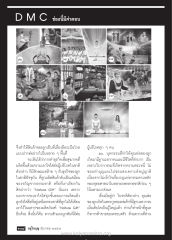
ธุรกิจเพื่อสุขภาพ
…องลูก
ในชาติปัจจุบัน ที่ลูกผลิตสินค้าอันเป็นเสมือน
ของขวัญจากธรรมชาติ หรือที่เราเรียกกัน
ติดปากว่า “Nature Gift” นั่นเ
นั่นเอง เพราะ
นอกจากจะเอาใจใส่ทุกขั้นตอนการผลิตแล้ว
ผู้บริโภคทุก ๆ คน
๕๖. บุพกรรมที่ทำให้คุณ…
…องลูก ในชาติปัจจุบัน ที่ลูกผลิตสินค้าอันเป็นเสมือน ของขวัญจากธรรมชาติ หรือที่เราเรียกกัน ติดปากว่า “Nature Gift” นั่นเ นั่นเอง เพราะ นอกจากจะเอาใจใส่ทุกขั้นตอนการผลิตแล้ว ผู้บริโภคทุก ๆ คน ๕๖. บุพกรรมที่ทำให้คุณ…

110
ธุรกิจเพื่อสุขภาพ
…แห่งกรรมตามหลัก
ของขวัญจากธรรมชาติ หรือที่เราเรียกกัน
พระพุทธศาสนาในหลายภพหลายชาติก่อน ๆ
ติดปากว่า “Nature Gift” นั่นเอง เพราะ
โน้นตามมาส่งผล
นอกจากจะเอาใจใส่ทุกขั้นตอนการผลิตแล้ว
เรื่องมีอยู่ว่า ในชาติดังกล่าว …
…แห่งกรรมตามหลัก ของขวัญจากธรรมชาติ หรือที่เราเรียกกัน พระพุทธศาสนาในหลายภพหลายชาติก่อน ๆ ติดปากว่า “Nature Gift” นั่นเอง เพราะ โน้นตามมาส่งผล นอกจากจะเอาใจใส่ทุกขั้นตอนการผลิตแล้ว เรื่องมีอยู่ว่า ในชาติดังกล่าว …
143
Truth for the Family: Understanding Precepts and Human Nature
Part Five: Truth for the Family
stockpile of behavioral (social, emotional and spiritual)
problems, creating a generation of people who are only
interested in themselves. Ignorance is the force behind
In this section, we discuss how behavioral problems contribute to a self-centered generation and the role ignorance plays in social issues. Parents often blame external factors for their children's st
144
Truth for the Family: Upholding Human Values
Part Five: Truth for the Family
that have to kill to survive. All lives, whether human
or not, are precious to us. No one should take the
life of another creature. Therefore, the first precept
reminds
เนื้อหานี้พูดถึงความสำคัญของการรักษาจริยธรรมในครอบครัว ซึ่งรวมถึงการไม่ฆ่าหรือทำร้ายชีวิตอื่น ๆ การไม่ขโมยและการละเมิดสิทธิของผู้อื่น รวมถึงการไม่มั่วสุมเพื่อรักษาความสุขในครอบครัว สนับสนุนให้เราเก็บร
11
The Teachings of Luang Por Dattajeevo
Suzanne Jeffrey
Life, of course, is not as neat as these teachings are laid out for you, and we do not always meet
life’s stresses, or sufferings, head-on with a Dhamma teaching. When I become frustr
Suzanne Jeffrey reflects on her journey of understanding Dhamma teachings through the wisdom of Luang Por Dattajeevo. She shares insights into dealing with life's challenges, the importance of mindful
137
The Five Precepts That Parents Should Know
The Five Precepts That Parents Should Know
Teaching their children to abide by the Five Precepts is the utmost important responsibility of parents to help counteract social deterioration. However, be
Teaching children the Five Precepts is essential for parents to combat social decline. Parents must first understand the meaning of a precept, its connection to human nature, and the consequences of n
61
Understanding Dhammakaya Knowledge
The Dhammakaya Knowledge is taught by the Buddha to constitute the transcendental, blissful, eternal, and pure Self of the Buddha. Dhammakaya doctrines can be found in the scriptures of all major Budd
Dhammakaya Knowledge is a profound teaching from the Buddha that emphasizes the transcendental, blissful, and pure nature of self. This concept is integral to all major Buddhist schools, including The
25
Living a Virtuous Life: Honoring Parents
living a virtuous life, showing good respect to them,
speaking to them in a nice and warm fashion, and
taking good care of them. Children should never hold
a grudge against their parents, regardless o
This text emphasizes the necessity of living a virtuous life by showing respect and care towards one's parents. It discusses the importance of not holding grudges against them, illustrating how parent